

How does the four-night skin cycling routine work?

Each night has one job. Here is how our Skin Therapists explain it to clients who want to try it at home.
Night 1: Exfoliate
Cleanse, let the skin dry completely, then apply a leave-on chemical exfoliant. That usually means an alpha hydroxy acid such as glycolic or lactic acid, or a beta hydroxy acid such as salicylic acid for oily or congested skin. Leave the scrubs in the drawer. Physical exfoliants are harder to control, and the American Academy of Dermatology’s rule is that the more aggressive the exfoliation, the less often it should happen. Follow with moisturiser.
Night 2: Retinoid
Cleanse, then apply a pea-sized amount of retinoid to dry skin and moisturise over the top. For most people starting, a cosmetic retinol or retinaldehyde is usually the right place to begin. Both are sold without a prescription in Australia, and both are gentler than prescription-strength retinoids, which are prescribed by a doctor after an assessment. In the first few weeks, a thin layer of moisturiser under the retinoid as well as over it takes the edge off.
Nights 3 and 4: Recover
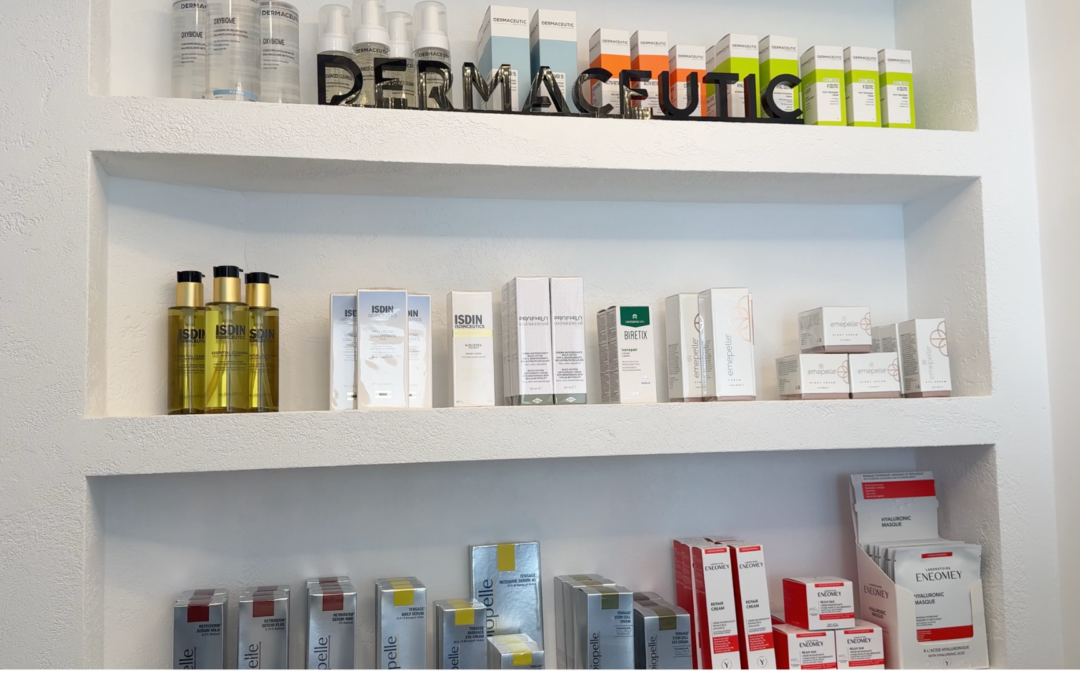
Cleanse and moisturise. That is all. No acids, no retinoid, no vitamin C serum, no mask because the shelf is looking neglected. These two nights are where the results from nights one and two actually arrive, because the skin is repairing rather than tolerating another active. DermNet describes the outer layer of skin as a bricks-and-mortar structure that controls how much water escapes; recovery nights top up the mortar. Ceramides, glycerin and hyaluronic acid are the ingredients to look for. Medical-grade skincare is available through the Esteem Clinic shop, and a Senior Skin Therapist can suggest suitable products at a consultation.
What skin cycling gets right
It stops the doubling up. Exfoliants and retinoids both speed up cell turnover, and both can irritate, and the AAD notes that exfoliating while using a retinoid can worsen dryness and trigger breakouts. A schedule that allows one active per night removes the temptation.
It builds in recovery. Most people who come to us with irritated skin are not using bad products. They are using good products too often. Two recovery nights in four is a bigger rest than most routines allow, and skin that is allowed to settle tolerates actives better, so the same retinoid can do more over time.
It makes problems easy to identify. When only one active goes on the face each night, it is clear which one is misbehaving. If night two consistently leaves skin flaky, the retinoid needs a lower strength or an extra recovery night. Nothing else was on the skin, so there is nothing else to blame.
Where skin cycling falls short
The schedule is not the treatment. The products are. A four-night cycle with a weak exfoliant and a barely-there retinol will keep the skin calm and do very little else, and a cycle built on strong actives can still be too much for someone with sensitive or rosacea-prone skin, where even one exfoliation night in four is one too many. Our Skin Therapists often stretch the cycle to five or six nights for those clients, or drop the exfoliant altogether and let the retinoid work alone.
It also has a ceiling. Skin cycling is a maintenance routine, and a good one. It will not shift established pigmentation, deeper texture, acne scarring or the broken capillaries that come with years of Queensland sun. These concerns are better assessed in clinic, where in-clinic treatment options can be discussed, with the home routine supporting the treatment plan rather than trying to deliver the result alone. Any new or changing spot should be checked by a GP or dermatologist first. And retinoids are not for everyone at every stage of life, including pregnancy and breastfeeding, which is one of the reasons the first step at Esteem Clinic is always a consultation rather than a product recommendation.
How to adapt skin cycling for Queensland skin
The routine originates from the northern hemisphere’s climate. Brisbane and the Gold Coast change two things.
Sunscreen every morning of the cycle
Both exfoliants and retinoids make skin more sensitive to UV, and Queensland UV does not need the help. Cancer Council Australia recommends broad-spectrum, water-resistant SPF50 or SPF50+ whenever the UV index is 3 or above, which in Queensland is most days of the year, including cool and overcast ones. So sunscreen goes on every morning, not just the morning after retinoid night, and gets reapplied every two hours when outdoors. If weekends mean the beach or the boat, a midweek exfoliation night means freshly exfoliated skin is not getting its first full day of sun on a Saturday.
A lighter moisturiser in the humidity
A thick barrier cream that suits a dry climate can sit on the skin like a plastic bag in a Brisbane February. Recovery nights still need moisturiser, but a lighter gel-cream with ceramides or hyaluronic acid usually does the job in summer, with something richer kept for winter and the night after a retinoid. If oily skin is breaking out on recovery nights, change the moisturiser before blaming the actives.
Where do clinic treatments fit around skin cycling?
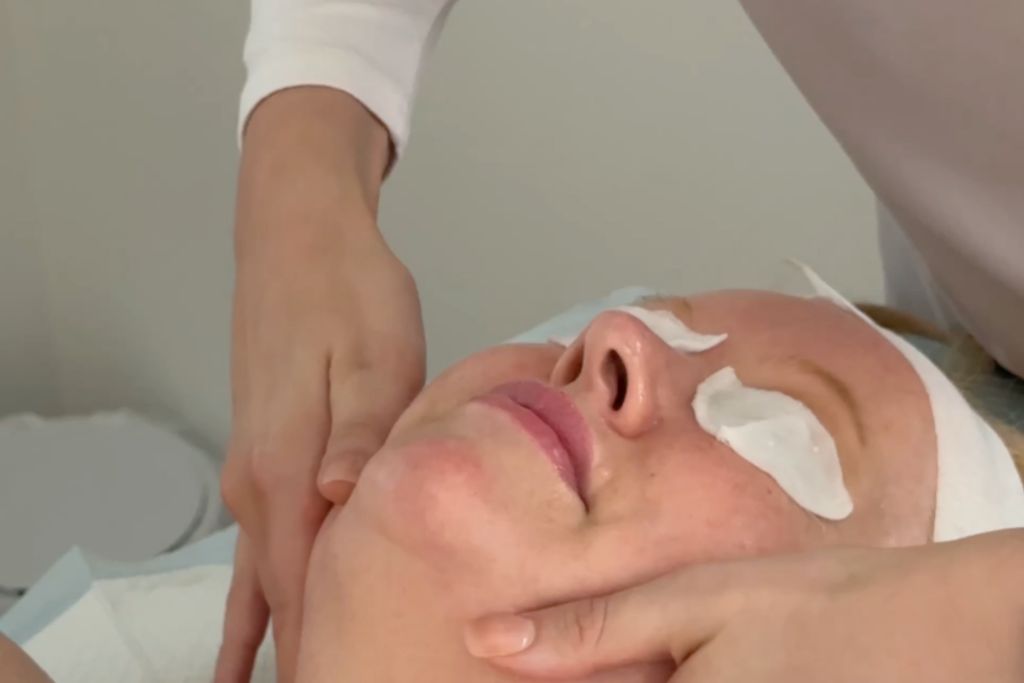
Think of skin cycling as the routine between appointments. A clinical peel is, in effect, a professional exfoliation night: deeper, controlled and carried out by a skin therapist, often spaced four to six weeks apart. Skin needling and Cutera Enlighten (PICO Genesis & PICO Genesis FX), available at selected clinics, are in-clinic options for concerns such as texture, pores and redness, and Healite II LED may be included in aftercare planning. The home routine keeps the skin calm and protected so those treatments land on a healthy barrier. Laser treatments are for clients aged 18 and over.
That is also why timing matters. A Skin Therapist will ask about the client’s home routine before planning anything, because peels and skin needling need the skin settled beforehand. In practice, that means pausing the retinoid and exfoliant for a period before the appointment and running recovery-night care for a period afterwards, with the exact gap depending on the treatment and how the skin is behaving. Turning up on the night after exfoliation can mean a postponed treatment.
Every skin treatment at Esteem Clinic starts with a consultation, and consultations are available for all services. Clients leave with tailored treatment planning that fits around their existing home routine, including whether the standard four-night cycle, a stretched version or a simpler routine without actives is the right starting point for their skin.
