

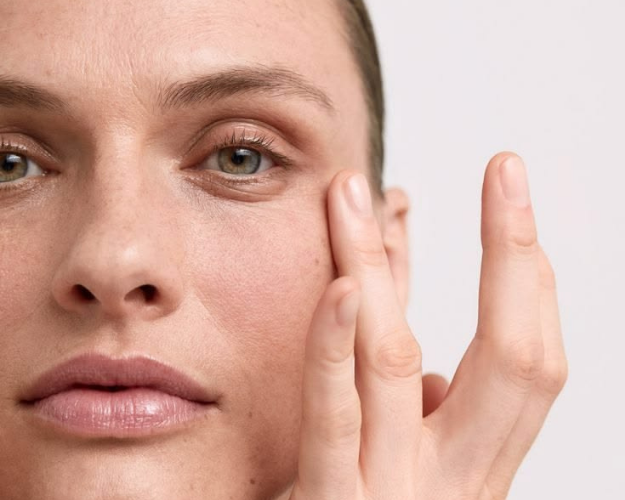
Manage rosacea by identifying and avoiding triggers (sun, heat, alcohol, stress, and harsh skincare are common), keeping skincare gentle and fragrance-free with SPF50+ every day, and seeing a GP or dermatologist for diagnosis and any prescribed treatment. In-clinic laser and LED options are used for the redness and capillaries after a consultation.
How to manage rosacea comes down to three habits and one appointment. The habits: work out what sets the skin off and avoid it, keep skincare gentle and sunscreen daily, and keep the face cool when a flush is coming. The appointment: a GP or dermatologist for a diagnosis and, if needed, prescribed treatment. In-clinic options for the redness and capillary side sit alongside that, never instead of it.
Rosacea is a chronic inflammatory skin condition of the central face. A 2018 meta-analysis in the British Journal of Dermatology estimated prevalence at about 5.5 per cent worldwide, so it is common on the Gold Coast. There is no cure. But it can be managed well, and most people find that the flares get fewer and milder once they know their own pattern.
What is rosacea, and who gets it?
Rosacea is a long-term inflammatory condition that mainly affects the cheeks, nose, chin and forehead. It comes and goes, with flares followed by quieter periods. It is not acne, although it can look like it, and it is not contagious. It shows up in a few ways, and many people have more than one:
- Persistent redness and flushing: a blush that comes on easily and takes a long time to fade, eventually settling into redness that does not fade at all.
- Visible capillaries: fine red or purple vessels across the cheeks and nose.
- Papules and pustules: small red bumps and pus-filled spots, without the blackheads of acne.
- Thickened skin: most often on the nose, and more common in men.
- Eye involvement: gritty, sore or red eyes and eyelids. DermNet NZ notes this affects more than half of people with rosacea, and it is the one most often missed.
It usually starts between 30 and 50, according to the Australasian College of Dermatologists, and is most common in people with fair skin and Celtic or northern European ancestry, which describes a fair slice of Queensland. It also affects people with darker skin, where it is often diagnosed late.
What triggers a rosacea flare?
Triggers vary from person to person, but the same ones keep coming up in the dermatology literature: sun, heat (hot weather, hot showers, saunas), alcohol, spicy food and hot drinks, wind, hard exercise, stress or embarrassment, and some skincare products. Certain medications that widen blood vessels can also set it off, which is worth raising with a GP.
On the Gold Coast, sun and heat do most of the damage.
The most useful thing to do in the first month is to keep a trigger diary. Note food, drink, activity and weather on the days the skin flared. After four to six weeks, a pattern usually appears, and it is often not the expected one. Some people can drink a glass of red wine without trouble but flare every time they have a hot coffee.
Clinical and at-home approaches to managing rosacea
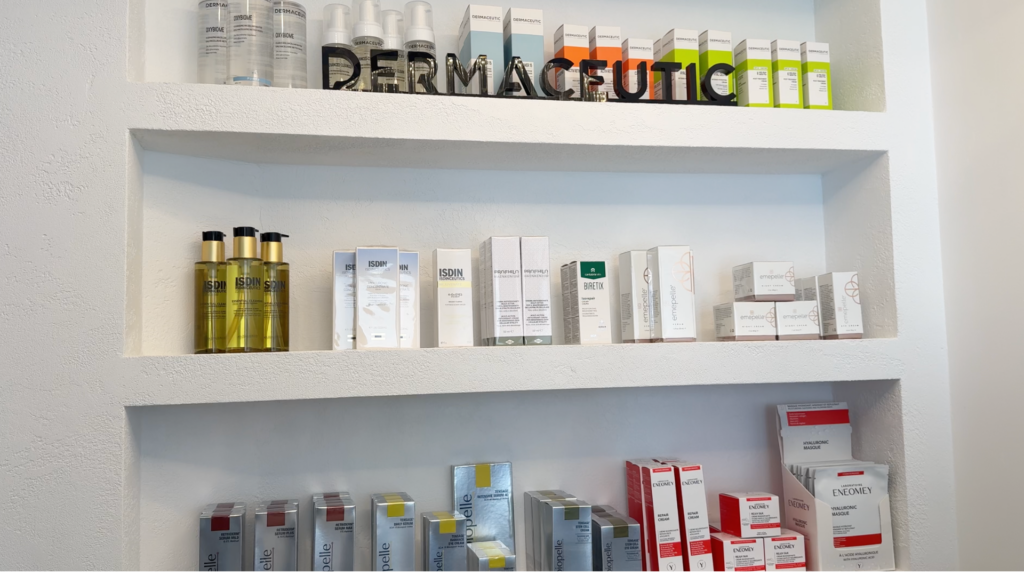
When people ask us how to manage rosacea, the answer is that it is layered. The at-home routine is the foundation and it never stops. Medical treatment from a GP or dermatologist sits on top when the inflammation needs it. In-clinic treatments address what skincare and medication tend to leave behind: the fixed redness and the visible capillaries.
At home: the daily routine
- A gentle, soap-free cleanser morning and night, applied with fingertips and lukewarm water. No cloths or brushes.
- A fragrance-free moisturiser every day. Rosacea-prone skin usually has a weakened barrier, and a well-moisturised barrier is less reactive.
- SPF50+ broad-spectrum sunscreen every morning when the UV index is 3 or above, which on the Gold Coast is most of the year. Cancer Council recommends about a teaspoon for the face, neck and ears, applied 20 minutes before going out and reapplied every two hours outdoors. Mineral formulas tend to sit better on reactive skin.
- A hat and shade in the middle of the day. Sunscreen alone is not enough on this coast.
- A cool compress or cold flannel when a flush is starting. Keeping the face cool shortens it.
At the GP or dermatologist
Rosacea is diagnosed on history and appearance, usually without tests. A GP can start treatment and refer on to a dermatologist if it is severe, the diagnosis is uncertain, or the eyes are involved. Prescribed treatment includes topical creams and gels for the bumps and, for some people, the redness, and oral medications for more inflamed skin. Which medicine, if any, is a conversation between the patient and their doctor.
In clinic: the redness and capillary component
Medication often settles the bumps and the inflammation. It is less effective at the background redness and the broken capillaries, which is where skin and laser treatments come in. At Esteem Clinic’s Gold Coast clinics, the options our therapists consider for rosacea-prone skin are:
- Cutera Enlighten (PICO Genesis & PICO Genesis FX): a non-ablative laser treatment, available at selected clinics, that the therapists may consider for redness and texture.
- Excel V+: a vascular laser used on visible vessels and redness, usually planned as a short series.
- Healite II LED: a no-heat light treatment used to calm the skin and support recovery, on its own or after a laser session.
- Gentle clinical peels, only where suitable. Many peels are too active for rosacea-prone skin, so this is a case-by-case call.
None of these is booked off a menu. Every skin and laser treatment at Esteem starts with a complimentary consultation, where a therapist looks at the client’s skin, asks about any current treatment from their GP, and explains what a treatment can and cannot do for their pattern of rosacea. Suitability, downtime and the realistic number of sessions are covered before anything is planned, and individual results vary. Skin and laser treatments are delivered at our Gold Coast clinics in Bundall, and laser treatments are for clients aged 18 and over; our Hawthorne clinic in Brisbane offers cosmetic consultations.
What not to do with rosacea-prone skin
Many of the flares we see in consultation were set off by well-meant skincare. Half of how to manage rosacea is knowing what to stop:
- Scrubs, cleansing brushes and anything that exfoliates by force. Rosacea-prone skin needs the barrier left alone.
- Strong actives bought online. High-strength vitamin A, glycolic acid and benzoyl peroxide products are common flare triggers. A GP or skin therapist can advise which active suits, if any, and how often.
- Fragrance, alcohol-based toners, menthol and witch hazel. If it tingles, it is irritating, not working.
- Steroid creams on the face. They can calm redness for a few days and make rosacea worse over weeks. The Australasian College of Dermatologists specifically warns against them.
- Treating it like acne. Acne products dry the skin out, the opposite of what rosacea-prone skin needs.
- Giving up on sunscreen because one brand stung. A mineral formula is worth trying, and we offer SPF 50 in clinic, so a skin therapist can help you choose one that suits your skin at your consultation.
When should someone see a GP about rosacea?
Sooner than most people do. Book a GP appointment if the cheeks and nose have been red for more than a few weeks, if bumps and pustules are appearing, or if acne products are not helping. Go promptly if:
- The eyes are gritty, sore, red or watery, or the eyelids are swollen. Untreated eye rosacea can damage the surface of the eye, and Healthdirect advises seeing an ophthalmologist if vision is affected.
- The redness or swelling has worsened suddenly rather than gradually.
- The skin on the nose is thickening or changing shape.
- There is a rash with other symptoms, such as joint pain or fatigue, because a few other conditions can look like rosacea and need ruling out.
Our team works alongside that medical care, not in place of it. If a client’s skin suggests a medical opinion is needed, our doctor-led clinic will say so and point them to their GP.
Frequently Asked Questions
Can rosacea be cured?
No. Rosacea is a chronic condition, and Healthdirect and the Australasian College of Dermatologists both describe it as manageable rather than curable, so how to manage rosacea day to day matters more than chasing a fix. The realistic goal is fewer and milder flares, less background redness, and knowing the triggers well enough to avoid most of them.
Which sunscreen suits rosacea-prone skin?
One that gets worn every day. Cancer Council recommends SPF50+, broad-spectrum and water-resistant whenever the UV index is 3 or above. For rosacea-prone skin, mineral formulas built on zinc oxide or titanium dioxide are usually tolerated better than chemical ones. Fragrance-free matters more than the brand.
Does laser treatment help rosacea, and is it suitable for everyone?
Vascular lasers are used on the visible capillaries and fixed redness that medication tends to leave behind. At Esteem Clinic, Cutera Enlighten and Excel V+ are the options our therapists may consider, with Healite II LED to calm the skin. Suitability depends on skin type, any tan, current medication and the pattern of rosacea, all assessed at a consultation first.
Can skin treatments go ahead alongside prescribed rosacea medication?
Often yes, but the therapist needs to know exactly what is being used and for how long, because some medications affect how skin responds to light and heat. We may ask clients to check with their prescribing doctor before a laser session, or to time treatments around their medication. That is sorted at the consultation.
Why does rosacea get worse in a Gold Coast summer?
Heat and UV are two of the most common rosacea triggers, and summer here delivers both for months. Heat dilates the blood vessels in the face, and sun drives the inflammation underneath. Daily SPF50+, a hat, cool water on the face after coming indoors, and early-morning exercise all help
If redness or capillaries are part of rosacea that skincare has not shifted, clients are welcome to book a free consult at one of our Gold Coast clinics in Bundall. Call 1300 693 783 or book online.
About the Author
Esteem Clinic Clinical Team, Registered Nurses & Clinicians
The Esteem Clinic Clinical Team is a team of highly experienced Nurses & Doctors, supported by skin and laser therapists, who provide skin and laser treatments at our Gold Coast clinics and cosmetic consultations in Brisbane. This article is general information, not personal medical advice. For advice about individual skin concerns, a consultation allows each client’s circumstances to be assessed.
