


Skin pigmentation is one of the most common concerns we see at Esteem Clinic, and can occur in all ages and genders. Dark patches, melasma, age spots, and post-acne marks can all look similar on the surface, but they have different causes and respond to different treatments. The right approach depends on the type of pigmentation you have, your skin tone, and how deep the pigment sits in the skin.
This article compares the main treatment options available for skin pigmentation in Australia, explains which approaches tend to work best for specific concerns, and covers what to expect in terms of safety, maintenance, and realistic outcomes. Individual results vary, and a thorough consultation with a qualified clinician is the best starting point for any pigmentation treatment plan.
What Skin Pigmentation Means
Pigmentation refers to the colour of the skin, which comes from melanin produced by cells called melanocytes. Pigmentation concerns happen when melanin production becomes uneven, with either too much in certain areas (hyperpigmentation) or too little (hypopigmentation). Most cosmetic pigmentation concerns fall into the hyperpigmentation category, where patches of skin appear darker than the surrounding skin tone.
Common forms of hyperpigmentation include melasma, post-inflammatory hyperpigmentation (PIH), freckles, sun spots, and age spots. Each has different triggers and behaves differently with treatment, which is why the same approach doesn’t work for every patient or every type of pigmentation.
What Type of Pigmentation Do You Have?
Identifying the type of pigmentation is the first step in choosing the right treatment. A registered nurse or qualified skin clinician can assess your skin during consultation, but here’s a general overview of the most common types.
Melasma
Melasma usually appears as larger patches of brown or grey-brown pigmentation, most often on the cheeks, forehead, upper lip, and chin. It’s strongly linked to hormonal changes such as pregnancy, oral contraceptives, and hormone replacement therapy, and it’s significantly aggravated by sun exposure and heat. Melasma is more common in women and in people with medium to darker skin tones.
Melasma is one of the more challenging forms of pigmentation to treat. It responds to careful, layered treatment but can recur easily, particularly with ongoing sun exposure or hormonal changes.
Post-inflammatory hyperpigmentation (PIH)
PIH is the darker mark left behind after the skin has been inflamed or injured. Common triggers include acne, eczema, cuts, scratches, insect bites, and even some cosmetic procedures. PIH is more common and more persistent in darker skin tones.
Unlike melasma, PIH is reactive rather than ongoing. Once the underlying cause of inflammation is settled and the pigment fades, it doesn’t typically come back in the same spot unless re-triggered.
Sun spots and age spots
Sun spots (also called solar lentigines or age spots) develop from years of cumulative UV exposure. They appear as flat, well-defined brown patches, usually on areas that get the most sun, including the face, backs of the hands, decolletage, and forearms. They’re more common in fair skin and tend to multiply with age.
Freckles
Freckles are small, light brown spots that often appear in childhood and darken with sun exposure. They’re largely genetic and most common in fair skin types. Many people choose not to treat freckles, but for those who want to reduce them, the approach is similar to treating sun spots.
Why does diagnosis change treatment choice?
Treatments that work well for sun spots can worsen melasma. Aggressive treatments that suit fair skin can trigger more pigmentation in darker skin tones. This is why a one-size-fits-all approach to pigmentation rarely works, and why a proper skin assessment is the foundation of any sensible treatment plan.
Best Treatments for Skin Pigmentation Compared

Pigmentation treatments generally fall into three categories: topical products, in-clinic treatments like chemical peels, and laser or light-based therapies. Most effective treatment plans combine more than one, layered over months rather than weeks.
Topical treatments: first-line care
Topical treatments are usually the starting point for most pigmentation concerns. They work by either reducing melanin production, accelerating cell turnover or both. Key categories include:
- Tyrosinase inhibitors: ingredients that interrupt melanin production at the cellular level. Some are available over the counter, others are prescription-only and require clinician oversight
- Retinoids: vitamin A derivatives that increase cell turnover and help fade existing pigment. Over-the-counter retinol and prescription retinoids both have a role, depending on skin type and tolerance
- Vitamin C: an antioxidant that brightens skin and supports the action of other pigment-targeting ingredients
- Azelaic acid: well-tolerated by most skin tones, helpful for both PIH and inflammatory pigmentation
- Niacinamide: reduces pigment transfer within the skin and supports the skin barrier
Prescription-strength formulations can be more effective for stubborn pigmentation but come with their own considerations, including the need for clinical monitoring. Your registered nurse or clinician can discuss prescription options during consultation if they’re appropriate for your skin.
Chemical peels
Chemical peels use acid solutions to exfoliate the top layers of skin and accelerate the shedding of pigmented cells. They range from very gentle superficial peels suitable for regular use, through to medium-depth peels for more stubborn pigmentation. Common acids used for pigmentation include alpha hydroxy acids (glycolic, lactic, mandelic), beta hydroxy acid (salicylic), and trichloroacetic acid (TCA) at varying strengths.
Peels work best for superficial pigmentation that sits in the upper layers of the skin. They’re less effective for deeper pigmentation. The right peel depends on skin type, pigmentation type, and how much downtime is acceptable. Lighter peels may need a series of treatments to show meaningful results, while stronger peels involve more downtime and need to be approached carefully in darker skin tones because of the risk of triggering PIH.
Laser and light-based treatments
Laser and light treatments target pigment in the skin using specific wavelengths of light. These treatments are particularly useful for stubborn pigmentation that hasn’t responded fully to topicals and peels. Categories include:
- Pigment-targeting lasers: use specific wavelengths absorbed by melanin to break down pigment, which the body then clears over the following weeks
- Intense pulsed light (IPL): broader-spectrum light that targets both pigmentation and some vascular concerns, suitable for sun spots and freckles in lighter skin tones
- Fractional resurfacing: creates microscopic columns of treated skin to stimulate renewal and improve overall skin tone alongside pigmentation
Laser treatment is highly effective for the right candidate but carries real risks for the wrong one. Darker skin tones and active melasma both require very careful clinician selection and treatment settings. In some cases, a laser can worsen pigmentation rather than improve it. This is one of the most important areas to assess properly before treatment, and why an experienced clinician matters.
Which Treatment Works Best for Each Concern?
Best options for melasma
Melasma management is usually layered and ongoing rather than a single treatment. A typical approach combines daily SPF, topical actives (often prescription-strength under clinician oversight), and conservative in-clinic treatments. An aggressive laser is often avoided in active melasma because heat and inflammation can trigger more pigment. Gentle, regular maintenance tends to work better than dramatic interventions.
Best options for post-inflammatory hyperpigmentation
PIH usually responds well to a combination of topical actives (azelaic acid, vitamin C, retinoids) and gentle exfoliation. Treating the underlying cause is just as important. If acne is the trigger, settling the acne will prevent new PIH from forming. In darker skin tones, the approach should be conservative to avoid further inflammation.
Best options for sun spots and age spots
Sun spots tend to respond well to laser and IPL treatments, often clearing in one to three sessions in lighter skin types. Topical treatments and chemical peels also have a role, particularly for maintenance and for patients who aren’t suitable for light-based treatments.
Best options for freckles
If treatment is wanted, freckles respond similarly to sun spots, with laser and IPL the most common in-clinic options for lighter skin tones. Many freckles will return with sun exposure, so ongoing photoprotection is essential.
Safety, Side Effects, and Treatment in Darker Skin
Pigmentation treatment isn’t risk-free, and the risks aren’t the same for everyone. The most important safety considerations are:
Risks in darker skin tones
Darker skin tones produce more melanin and are more prone to post-inflammatory hyperpigmentation in response to inflammation, heat, or trauma. This means treatments that are routine in fair skin, such as certain lasers, stronger peels, or aggressive exfoliation, can backfire and create more pigmentation than they remove. Treatment in darker skin tones should be more conservative, more gradual, and ideally performed by a clinician with specific experience treating skin of colour.
Common side effects
Most pigmentation treatments come with some short-term redness, sensitivity, and occasionally peeling or crusting, depending on the treatment. More significant side effects can include temporary darkening before lightening, blistering, scarring, and paradoxical hyperpigmentation. Your clinician should walk through the specific risks for your skin and treatment plan in detail.
Why sunscreen is non-negotiable
Sun exposure is the single biggest driver of pigmentation, and it undoes treatment faster than almost anything else. Daily broad-spectrum SPF 50+ is essential, not just on holidays or sunny days. For melasma in particular, sunscreen that also blocks visible light (often labelled as tinted mineral sunscreens) tends to be more effective than UV-only formulations.
How to Prevent Pigmentation From Returning
Even the most effective treatment plan won’t hold if the underlying triggers continue. Long-term pigmentation management usually involves:
- Daily broad-spectrum SPF 50+ and reapplication during sun exposure
- Protective clothing, hats, and shade where possible
- Ongoing maintenance with topical actives recommended by your clinician
- Avoiding heat triggers where relevant (saunas, hot yoga, prolonged hot showers can worsen melasma)
- Treating any underlying triggers, like acne or hormonal factors, where possible
- Periodic maintenance treatments rather than waiting for pigmentation to fully return
What to Expect at Your Consultation
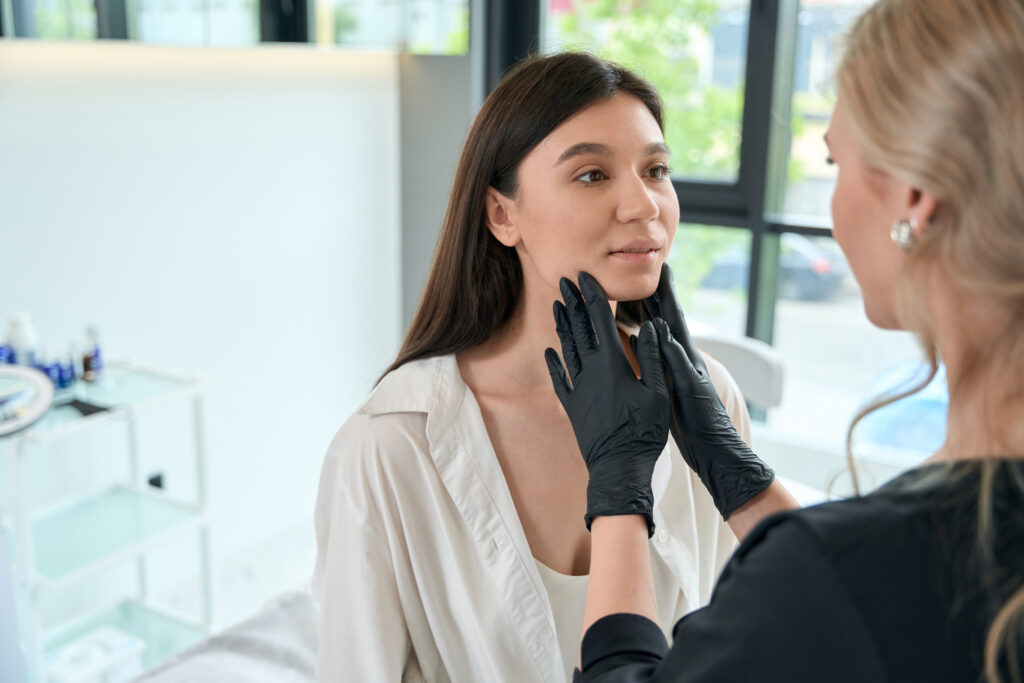
A pigmentation consultation at Esteem Clinic starts with a thorough one-on-one assessment. Your registered nurse or qualified clinician will review your medical history, ask about your skin concerns, and assess the type of pigmentation, depth, and your skin tone. From there, they’ll discuss the treatment options that may be suitable, the realistic outcomes you can expect, and what a treatment plan might look like over the coming months.
As with all cosmetic procedures, individual results vary. Your clinician will give you a realistic picture of what to expect, including the time frames involved and the importance of ongoing maintenance. We don’t guarantee specific results, and there’s no pressure to proceed following your consultation.
Frequently Asked Questions
What is the fastest treatment for pigmentation?
Laser and IPL treatments often show the fastest visible results for suitable candidates, particularly for sun spots and freckles in lighter skin tones. However, faster isn’t always better. For melasma and pigmentation in darker skin tones, a slower, layered approach is usually safer and more effective long term. The right pace depends on the type of pigmentation and your skin.
Is laser better than cream for pigmentation?
Not necessarily. Lasers and creams work differently and often work best together. Topical treatments address pigment production at the cellular level and support skin health between treatments, while laser targets existing pigment more directly. For many patients, the best results come from combining the two.
Can pigmentation be removed permanently?
Some pigmentation, particularly individual sun spots, can be cleared and may not return if sun exposure is well-managed. Other forms, melasma in particular, are best thought of as conditions to manage rather than cure, because the underlying triggers (hormones, sun, heat) can continue to drive recurrence. Realistic expectations are important.
Do chemical peels help with pigmentation?
Yes, when matched to the right skin and pigmentation type. Peels are particularly useful for superficial pigmentation and as part of a layered treatment plan. The right peel depth, frequency, and acid type all need to be assessed individually.
How long does pigmentation treatment take to work?
Timelines vary by treatment and pigmentation type. Topical treatments typically need eight to twelve weeks of consistent use before meaningful improvement is visible. Laser and IPL can show change within one to three sessions for sun spots, but melasma and PIH usually need longer, layered approaches. Your clinician can give you a realistic timeline at the consultation.
How do I treat pigmentation at home?
A reasonable at-home approach begins with daily SPF 50+ protection, a gentle cleanser, and an active routine that may include vitamin C, niacinamide, azelaic acid, or a retinoid. Over-the-counter products can yield noticeable results for mild pigmentation, provided they are used consistently over time. For stubborn or deeper pigmentation, professional treatment usually accelerates and deepens the results.
How do I choose the right clinic for pigmentation treatment?
Look for a clinic with qualified, registered clinicians who take a thorough, individualised approach to skin assessment. The right clinic should ask detailed questions about your skin history, walk through realistic outcomes, explain the specific risks for your skin tone, and avoid pushing a single treatment as the answer for every patient. Experience with skin of colour matters if your skin is medium to dark.
Book a Skin Pigmentation Consultation
If pigmentation is something you’d like to address, the most useful first step is a proper skin assessment. Our registered nurses and qualified clinicians at Esteem Clinic offer thorough, individualised consultations for skin pigmentation concerns, with treatment plans built around your skin type, the type of pigmentation present, and your goals.
Complimentary initial consultations are available for many of our skin services. To book or to ask a question about pigmentation treatment, get in touch with the Esteem Clinic team.
