
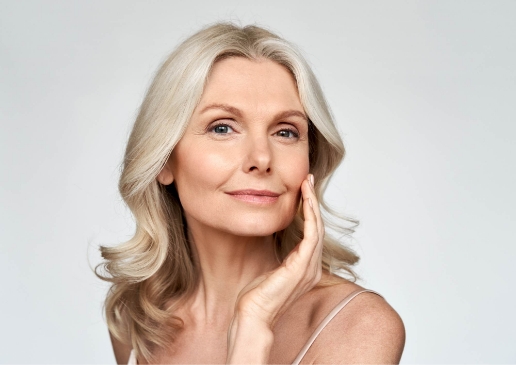
Today’s aesthetic clients are shifting their focus from reactive treatments to preventive care, seeking alternatives to traditional cosmetic procedures that maintain their skin’s natural vitality. Skin boosters have emerged as the perfect solution for this new generation seeking long-term skin health over quick fixes.
These treatments are designed to deliver deep hydration directly into the skin, primarily using hyaluronic acid, a soft, gel-like substance naturally found in the body. When injected beneath the surface, hyaluronic acid helps improve skin elasticity and firmness while enhancing overall texture. Unlike traditional dermal fillers, which focus on adding volume or shaping facial features, skin boosters aim to improve the health and quality of the skin itself.
These treatments can support long-term skin health, addressing concerns such as dryness, loss of elasticity, fine lines, and dullness. By combining targeted hydration with subtle structural support, skin boosters offer a clinical approach to maintaining and improving skin appearance, making them a considered option for individuals seeking measurable results without invasive procedures.
To better understand whether skin boosters might be suitable, it’s important first to examine what they are, how they work, and the specific effects they have on the skin. By looking at the science behind these treatments, the types of products used, and the way they are administered, individuals can make informed decisions about incorporating skin boosters into their skincare or aesthetic routine.
Key Takeaways
- Skin boosters are minimally invasive treatments that deliver hyaluronic acid and other active ingredients directly into the dermal layer to improve hydration, elasticity, and overall skin quality.
- They do not add volume like dermal fillers; instead, skin boosters focus on enhancing skin texture, reducing fine lines, and promoting a healthier, more resilient complexion.
- Results develop gradually, with initial hydration visible within 48 hours and full improvements, including collagen and elastin production, typically appearing between 4–8 weeks.
- Treatment options vary and include hyaluronic acid formulations, polynucleotides (PN/PDRN), platelet-rich plasma (PRP), exosomes, and specialised under-eye injections.
- Skin boosters are generally safe, with most patients experiencing only mild swelling or bruising. Serious complications are rare when treatments are performed by qualified practitioners.
- The procedure is straightforward, involving a consultation, skin preparation, precise microinjections, and post-care guidance to maximise results.
- Not all patients are suitable; skin boosters are not recommended for pregnant or breastfeeding individuals, those with active facial infections, uncontrolled autoimmune disease, severe HA allergies, or recent isotretinoin use.
Understanding Skin Boosters
Skin boosters are a minimally invasive treatment designed to improve skin quality by delivering hyaluronic acid (HA) directly into the skin’s dermal layer. Unlike other cosmetic treatments, which add volume or change facial contours, skin boosters focus on enhancing hydration, elasticity, and overall skin health. By supporting the structure of the dermis, these treatments can help with overall skin quality and texture.
How Skin Boosters Differ from Topical Skincare and Other Cosmetic Treatments
Topical creams and serums only reach the surface of the skin, while skin boosters deliver hydration deep into the dermis, where it is most effective.
While both skin boosters and dermal fillers use hyaluronic acid, their purpose and formulation differ. Dermal fillers are thicker, cross-linked gels used to add volume. Skin boosters use thinner, non- or lightly cross-linked HA, allowing the product to spread evenly for hydration without changing facial shape.
Injection Techniques and Delivery Methods
Skin boosters are injected carefully into the dermal layer using tiny needles or cannulas. Treatments can follow mesotherapy, which uses multiple small injections, or the grid technique, where the area is divided into small sections with one injection per square. The injections are usually very shallow, typically 0.2mm below the surface, which ensures accurate placement and minimal discomfort.
How the Skin Responds and Regenerates
Once injected, hyaluronic acid absorbs water and increases hydration in the skin. The injection process also triggers the skin’s natural repair response. Fibroblast cells react to the small needle injuries by producing more collagen and elastin, which improves the skin’s strength, elasticity, and texture over time.
Gradual vs. Immediate Effects
Skin boosters are shown to provide both immediate and long-term improvements. Immediately after treatment, small bumps may appear at injection sites, usually disappearing within a couple of hours.
Hydration becomes noticeable in 3–7 days, and the full effects, including improved firmness and texture, appear 2–4 weeks after treatment as collagen and elastin production increase. Unlike dermal fillers, which create instant volume, skin boosters gradually enhance the skin’s quality.
Clinical Benefits of Skin Booster Treatments
- Deep Hydration and Skin Plumping: Hyaluronic acid (HA) is highly effective at holding water, which allows skin boosters to deeply hydrate the skin. Each HA molecule can attract and hold up to 1,000 times its weight in water, helping to plump the skin and improve its volume. This added hydration makes the skin feel softer, smoother, and more supple, addressing dryness and early signs of aging.
- Reduction of Fine Lines and Wrinkles: Skin boosters are useful for delicate areas like around the eyes and mouth. By delivering HA directly into the dermis, the treatment helps smooth fine lines and improve skin texture. Studies show noticeable improvements in skin roughness after professional treatment.
- Improved Skin Firmness and Structure: HA injections stimulate the skin’s fibroblast cells to produce more collagen and elastin. These proteins strengthen the skin’s structure, improve elasticity, and help the skin feel firmer over time, making skin boosters a strong option for long-term skin care and anti-aging management.
- Enhanced Overall Skin Quality: Patients often notice that their skin looks healthier after consistent treatment. Clinical research shows improvements in skin texture, thickness, and overall quality, giving the skin a natural glow without changing facial shape.
Types of Skin Booster Treatments Available
Skin boosters come in several different formulations and technologies, each designed to improve hydration, elasticity, and overall skin quality. Understanding the options can help individuals and practitioners choose the most suitable treatment for specific concerns.
Hyaluronic Acid (HA) Skin Boosters
Hyaluronic acid (HA) is a natural substance found in the skin that attracts and holds water, helping to maintain hydration and volume. HA-based skin boosters are the most widely used treatments and come in different molecular structures:
- Non-cross-linked HA: This formulation is very smooth and spreads evenly in the skin, making it ideal for delicate areas such as around the eyes or lips. It integrates with tissue without creating bumps or irregularities.
- Low-cross-linked HA: This form is slightly thicker and lasts longer in the skin. It provides some volume while still offering deep hydration and improved skin elasticity.
Polynucleotide (PN) and PDRN Technologies
Polynucleotides (PN) and Polydeoxyribonucleotides (PDRN) are advanced biocompatible treatments derived from salmon DNA. They are designed to stimulate tissue regeneration and collagen production:
- PN: Derived from testicular tissue, polynucleotides support skin repair and hydration.
- PDRN: Derived from salmon sperm cells, PDRN contains molecules ranging from 50–1500 kDa (a unit that measures molecular size) and actively encourages the skin to produce new collagen.
Clinical studies show that these treatments can improve skin thickness, refine pores, even out skin tone, and reduce fine lines and wrinkles. PN and PDRN treatments are especially suitable for patients looking for natural, regenerative approaches to improving skin health.
Platelet-Rich Plasma (PRP) Applications
PRP therapy, often called a “vampire facial,” uses the patient’s own blood to stimulate skin regeneration. The process involves:
- Draw 30–60 mL of blood from the patient.
- Spinning the blood in a centrifuge to separate the platelet-rich plasma (PRP).
- Reinjecting the PRP into the skin, where the growth factors promote collagen production and tissue repair.
PRP has been shown to reduce wrinkles, improve skin texture, refine pores, and increase collagen density, making it a natural and highly biocompatible option for skin rejuvenation.
Exosome and Growth Factor Treatments
Exosomes are tiny vesicles released by cells that contain proteins, lipids, and genetic material. They act as messengers between cells, helping to regulate repair and regeneration processes.
- Stem cell-derived exosomes can promote collagen and elastin production while reducing enzymes (such as MMP1) that break down skin structure.
Exosome treatments are an emerging technology, providing a sophisticated option for improving skin quality and supporting long-term regeneration.
Specialised Under-Eye Treatments
The skin under the eyes is thinner and more delicate than the rest of the face, requiring precise and gentle treatment. Specialised skin boosters for this area include:
- Rejuran: A polynucleotide-based injectable specifically developed for sensitive under-eye skin.
- NCTF (BEAUTIFEYE): A blend of 59 active ingredients, including Vitamin C and glutathione, designed to brighten and rejuvenate the under-eye area.
Practitioners use very fine needles or small cannulas to ensure accurate placement and minimal trauma to the delicate skin, providing targeted hydration, improved elasticity, and a reduction in dark circles or fine lines.
Expected Results And Treatment Timeline
Skin booster treatments follow a structured and carefully controlled process to ensure safety, comfort, and optimal results. Each stage is designed to prepare the skin, deliver the treatment effectively, and support recovery.
- Consultation: A detailed consultation is conducted to assess the patient’s skin condition, concerns, and goals.
- Preparation: Patients are advised to avoid alcohol and blood-thinning medications 24 hours before treatment. The skin is thoroughly cleansed, and a topical numbing cream may be applied for comfort.
- Injection: The skin booster is administered through precise microinjections. The procedure typically takes 30–60 minutes, depending on the treatment area.
- Post-Care: After treatment, patients receive guidance on how to care for the treated skin to ensure the best results.
When to Expect Visible Results
Skin boosters provide both immediate and gradual improvements, giving patients a combination of quick hydration and long-term skin enhancement. Understanding what to expect can help manage treatment expectations and support better outcomes.
- Immediate Effects (Within 48 Hours): Patients often notice an improvement in hydration shortly after treatment. The skin may feel softer, plumper, and more refreshed due to the hyaluronic acid attracting and holding water in the dermis. While these early effects are mostly related to moisture, they set the foundation for longer-term improvements in elasticity and firmness.
- Short-Term Improvements (1–2 Weeks): Within the first one to two weeks, visible changes in skin texture and tone become more noticeable. Fine lines may appear less prominent, and the skin often feels smoother and more supple. At this stage, the hyaluronic acid is integrating with the skin tissue, and fibroblast activity (the cells responsible for collagen and elastin production) is gradually increasing.
- Peak Results (4–6 Weeks): The full benefits of the treatment typically develop around 4–6 weeks. By this time, collagen and elastin production has been stimulated, enhancing the skin’s firmness, elasticity, and structural integrity. Patients may notice improved resilience, a more even complexion, and reduction in early signs of aging, such as fine lines and minor textural irregularities.
- Maximum Outcomes (8 Weeks): Around 8 weeks post-treatment, the maximum visible results are usually achieved. The combination of deep hydration, increased collagen, and elastin production provides noticeable improvements in overall skin quality.
How Long Do Skin Boosters Last?
Depending on the treatment type, lifestyle and aftercare, the effects of skin boosters typically last between 6 and 12 months, with most patients experiencing optimal results for 8–10 months.
Regular maintenance treatments are recommended to prolong the effects and maintain skin quality over time. Clinics (such as Esteem Clinic) often tailor maintenance schedules to each patient’s needs, combining advanced techniques and up-to-date technology to achieve optimal outcomes.
Safety, Side Effects, and Suitability
Skin boosters are generally considered safe and well-tolerated when administered by qualified practitioners. However, like any cosmetic procedure, patients should be aware of potential side effects, risks, and limitations before treatment.
Most side effects are mild and temporary, reflecting the body’s normal response to microinjections:
- Swelling: Around 75% of patients experience minor swelling at injection sites, usually lasting 24–48 hours.
- Bruising: Mild bruising occurs in 30–40% of patients, especially those with sensitive skin.
To support healing and minimise discomfort, patients are advised to:
- Avoid touching the treated area for 6 hours.
- Wait 24 hours before applying makeup.
- Avoid extreme heat, such as saunas or hot showers.
- Use cool compresses to reduce swelling or tenderness.
Serious complications are very uncommon, occurring in less than 1 in 1,000 patients when treatments are performed by trained professionals:
- Vascular occlusion (<0.01%): Rare blockage of a blood vessel, more likely with inexperienced injectors.
- Infection (<0.1%): Risk is minimised when sterile techniques are used.
- Granuloma formation (<0.05%): Small nodules may develop, usually linked to counterfeit or poor-quality products.
Pain levels are typically low, with most patients rating discomfort around 2–3 out of 10. Studies show no significant difference in pain based on the type of injection or skin preparation used, making the procedure generally well-tolerated.
Limitations and Considerations
While skin boosters are highly effective for improving hydration, elasticity, and overall skin quality, it’s important to understand their limitations and the factors that influence results.
- No volume enhancement: Unlike dermal fillers, which are designed to add volume and reshape facial features, skin boosters are formulated to improve the skin itself rather than change facial contours. They cannot fill deep wrinkles, hollows, or sagging areas. Patients seeking more dramatic lifting or volumising effects may require dermal fillers or combination treatments.
- Gradual results: Skin boosters work by stimulating hydration, collagen, and elastin production in the dermis. Because these processes take time, results appear gradually over several weeks. Immediate effects are typically limited to hydration, while improvements in firmness, texture, and fine lines become visible over 4–8 weeks. Patients should have realistic expectations regarding the timeline for optimal outcomes.
- Treatment planning is key: Achieving the best results depends on careful assessment and planning by a qualified practitioner. This includes selecting the appropriate product type, injection depth, technique, and spacing of sessions. Each patient’s skin type, age, and lifestyle factors must be considered to ensure safe and effective treatment.
- Adherence to aftercare: Post-treatment care is essential to maximise results and minimise side effects. Patients should follow instructions regarding makeup application, exercise, sun exposure, and skincare products. Failure to adhere to aftercare recommendations can affect the uniformity of results, prolong recovery, or increase the likelihood of minor complications like swelling or bruising.
- Individual variability: Results can vary between individuals based on age, skin condition, metabolism, and lifestyle habits such as sun exposure, smoking, and hydration. While most patients see noticeable improvements, some may require additional or maintenance sessions to achieve their desired outcome.
Who Is Not Suitable for Treatment?
Skin boosters are not recommended for individuals who:
- Are pregnant or breastfeeding?
- Have active facial infections.
- Have uncontrolled autoimmune conditions.
- Have severe allergies to hyaluronic acid.
- Have used isotretinoin in the past six months.
Conclusion
Skin boosters offer a targeted approach to improving skin quality through deep hydration and collagen stimulation. By delivering hyaluronic acid directly into the dermal layer, these treatments address the natural decline of HA that occurs with age, enhancing skin texture, elasticity, and overall hydration without altering facial contours. Unlike dermal fillers, which add volume, skin boosters focus on strengthening the skin itself for a healthier, more resilient appearance.
A variety of treatment options are available to suit different needs, from hyaluronic acid formulations to polynucleotides, PRP, and specialised under-eye treatments. Understanding the differences between these options allows practitioners to select the most effective approach for each patient’s concerns.
Esteem Clinic provides evidence-based aesthetic treatments and medical-grade skincare to address individual skin concerns. We take a holistic approach, assessing each patient’s needs and recommending the most suitable treatments. Clients have access to the latest techniques and technology to support skin health and improvement.
Patients interested in skin boosters or other treatments can schedule a consultation to discuss options, expected results, and a personalised treatment plan.
